Det ökade hotet mot såväl djur som deras naturliga livsmiljöer gör djurparkernas arbete viktigare än någonsin
One of the zoo’s main missions is to contribute to the conservation of endangered species by participating in established conservation programs for various species. The work involves preserving endangered species, both in zoos and in the wild. The concepts of working in-situ (in the wild) and ex-situ (outside the natural environment) are becoming increasingly common in conservation work.
To keep zoo populations genetically healthy over time requires extensive collaboration between zoos nationally, internationally, and even globally. Lycksele Djurpark is part of a larger network through membership in the Swedish Association of Zoos and Aquaria (SDF) and the European Association of Zoos and Aquaria (EAZA). The organizations’ members work to collaborate and plan for the populations of species they maintain. Global collaboration between zoos has led to zoo-born animals strengthening, or completely recreating, wild populations of various species. The work benefits from member parks being active participants in the international database Species360. We naturally contribute to sharing collective knowledge about our species in Species360 and thus maintain international contacts for conservation work.
In the best of all worlds, zoos would not be needed, but when one-third of all animal and plant species on Earth face a high risk of extinction within this century, the need for zoos and other conservation institutions around the world is greater than ever before. Populations of wild vertebrates—mammals, fish, birds, amphibians, and reptiles—have decreased by an average of 69% between 1970 and 2018. This is shown in WWF’s Living Planet Report 2022, which examines the state of the planet.
One Plan Approach
The global conservation organization IUCN (International Union for Conservation of Nature) is an essential partner for zoo organizations. This is due to the threat to the survival of many of the species that zoos work with. The conservation programs that exist for species in zoos are closely linked to what happens to their wild counterparts in nature. IUCN sees zoos as an invaluable partner in the work to save endangered species and habitats. To integrate ex-situ and in-situ conservation, IUCN advocates “the One Plan Approach” where it is desirable in the long term that all species have a global conservation strategy that includes all measures carried out for the species in zoos and in the field.
EAZA’s Conservation Programs
Currently, around 400 different species ranging from insects to mammals are covered by EAZA’s various conservation programs. For species that do not have a program but where a certain need for oversight exists, monitoring takes place.
ESB (European Studbook)
ESB programs mean that the species have a European studbook. All studbooks have a studbook keeper who is responsible for registering births, deaths, transfers, and similar events within European zoos for the specified species. Recommendations for transfers are made based on studbook analyses performed by the studbook keeper. These analyses show which individuals are best suited to breed with each other to maintain as much genetic variation as possible. It is desired and strongly recommended by EAZA to follow the studbook keeper’s suggestions, but it is not a requirement.
The following species at Lycksele Djurpark are included in ESB:
Brown bear
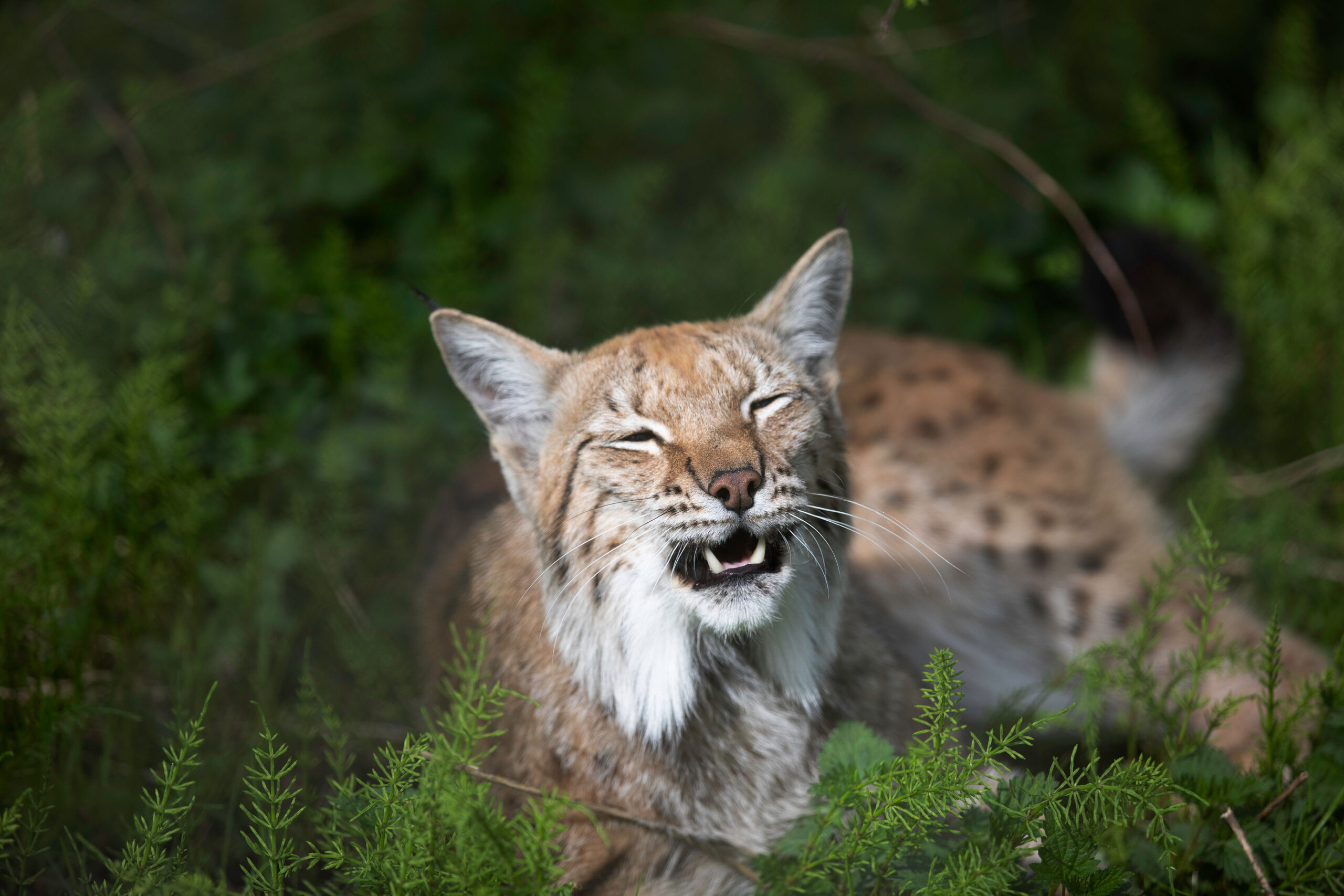
Lynx
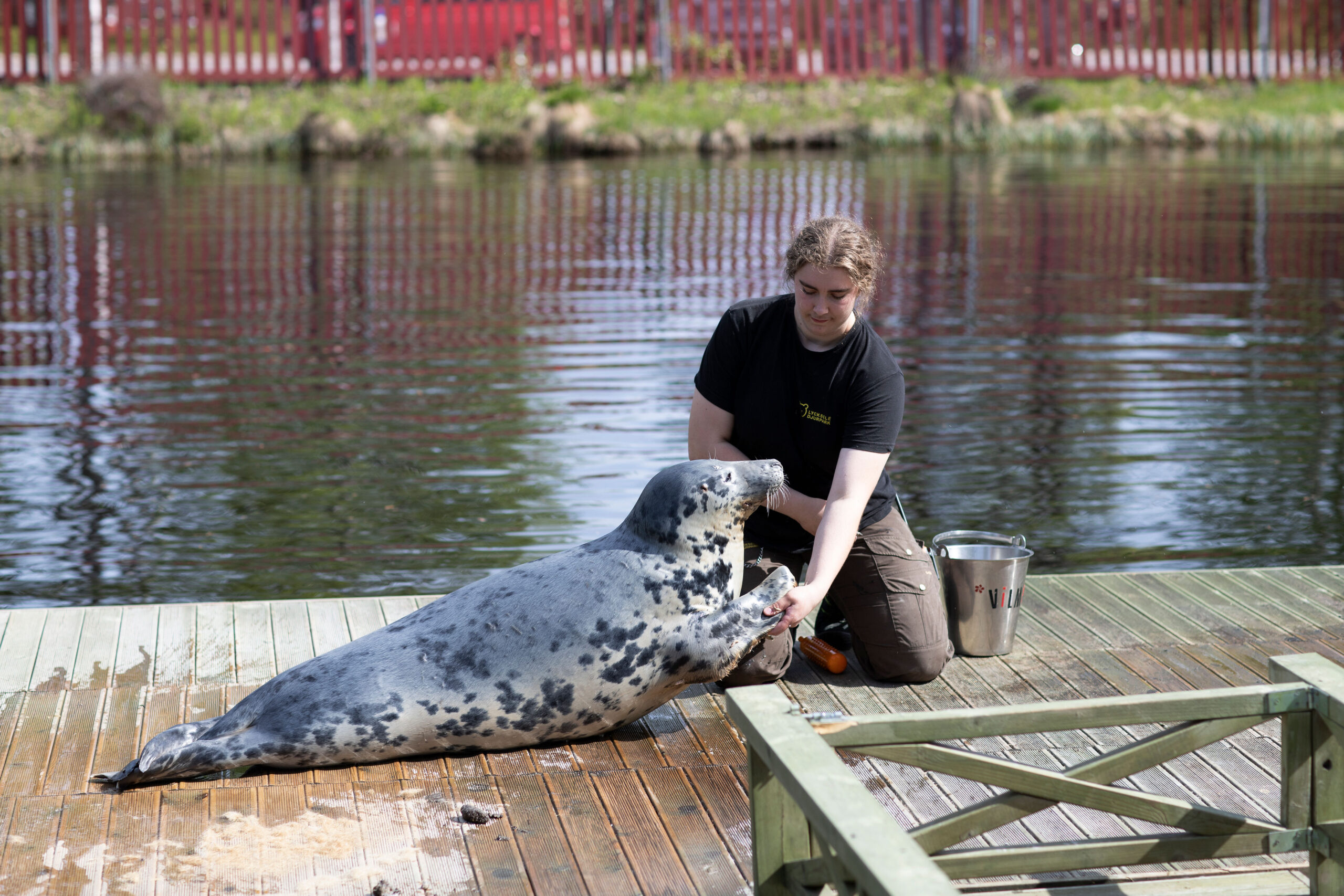
Grey seal
EEP
EEP programs are managed by species coordinators who also have the help of an EEP committee. Species coordinators are responsible for gathering information about all individuals within the species, maintaining a studbook, conducting genetic analyses on the studbook, and also developing a long-term action plan for the species. For critically endangered species, this work is done in close consultation with conservation organizations such as IUCN. EEP programs are more intensive programs for species conservation than ESB, and recommendations for animal transfers must be followed.
The following species at Lycksele Djurpark are included in EEP:
European bison*
Musk ox*
Forest reindeer*
Wolf*
Otter
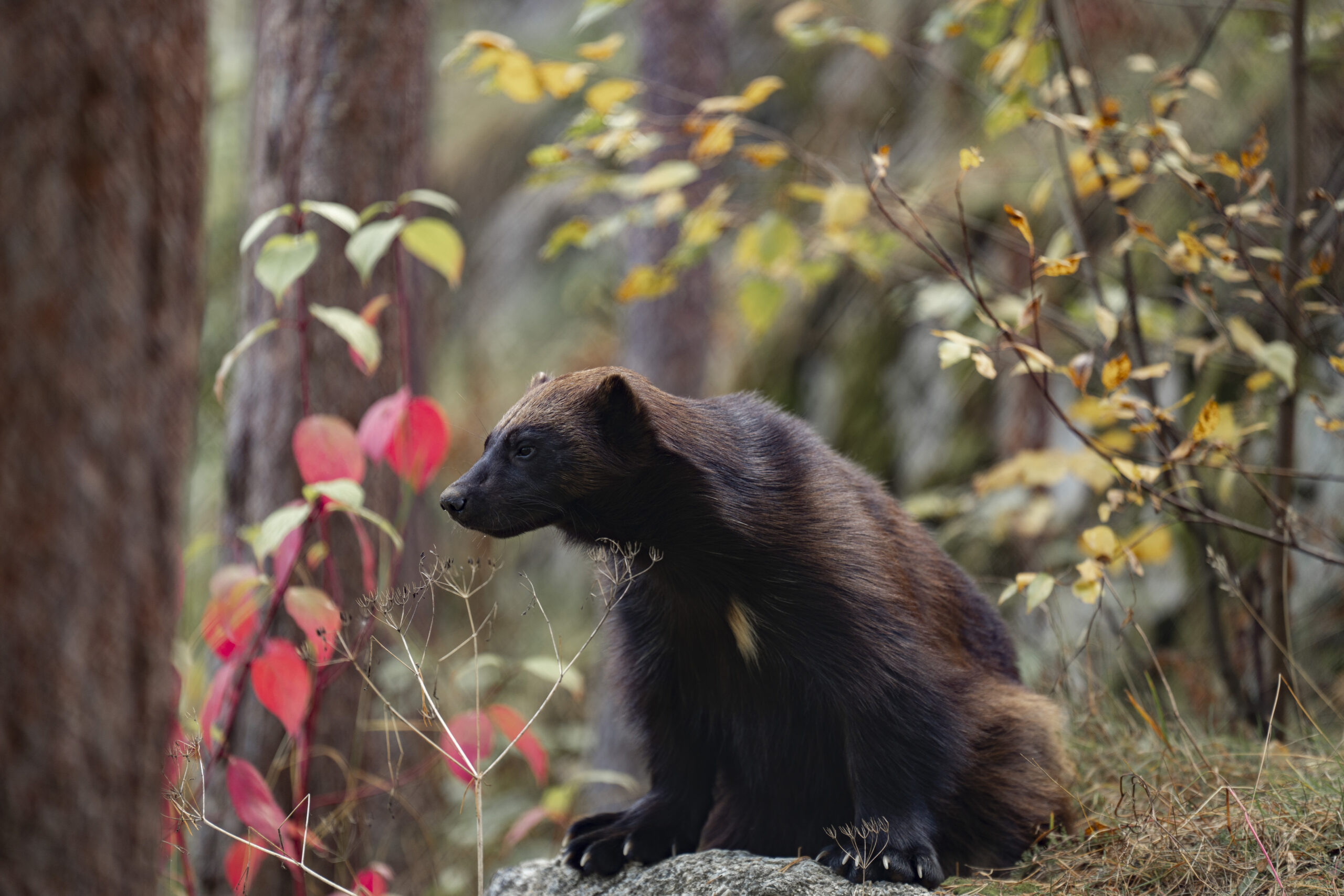
Wolverine
* = The EEP programs designed according to the new model EAZA Ex-Situ Program.
Monitoring
Monitoring of a species can occur to see if it needs stronger conservation efforts but also to monitor that the number of individuals of the species is decreasing within member parks. Several of the species at Lycksele Djurpark are important for educational purposes nationally but have no conservation purpose. They are therefore largely recommended within Europe to be replaced with more endangered species or simply phased out. However, displaying and spreading information about Nordic species is one of Lycksele Djurpark’s main missions, and these species are therefore considered important to keep.
Heritage Breeds
We strive to maintain a range of domesticated animals that are part of national conservation projects, so-called gene banks. Examples of associations that run these gene banks and of which Lycksele Djurpark is a member are the Swedish Heritage Chicken Club and the Swedish Landrace Goat Association. The goal is for the associations to work with gene banks or equivalent systems to preserve = save/protect all or parts of Swedish heritage breeds.
The following heritage breeds at Lycksele Djurpark are included in gene banks:
Bjursholm chicken
Lapp goat
Jämtland goat
In-Situ Conservation Efforts
Musk Ox 2030
Lycksele Djurpark has contributed to the launch of Musk Ox 2030, a network of stakeholders focused on the conservation of musk oxen in Sweden. We have contributed funding and labor to the feasibility study Musk Ox 2030 – a feasibility study on the future of a charismatic species in our nature, whose purpose is to initiate a creative discussion about how we should manage and preserve our musk oxen in the future. In addition to the feasibility study, this has resulted in a two-day workshop in Tännäs with other stakeholders and a seminar held at Järvzoo over two days in November 2021. In addition to the actors behind the network, the Swedish Environmental Protection Agency and other stakeholders were also invited. After a good dialogue, the hope is to develop a concrete action plan for our wild musk oxen in the coming years.
Eagle Owl Project
We have initiated a dialogue with Berguv Nord to contribute to the conservation of the eagle owl as it is disappearing completely from northern Sweden. The goal is to build a breeding aviary for eagle owls and to obtain release permits for any chicks that are born. Contacts and initial discussions have been made with other institutions that keep the species to see if it is possible to find common research areas and strategies for potential releases. This is to be able to follow up on how the released individuals are doing, but also to be able to release individuals in areas suitable for the purpose.
Our Mission
More and more animal species in the world are threatened with extinction today, and the list of species at risk of dying out is only getting longer. We can do a lot to help and ensure that they survive.
You Help Us with Our Mission
Every time you visit us, buy something in the park, or sponsor us, you help us with our mission. Together we can make a difference!

