(Lynx lynx) The lynx has been present in Sweden since the Ice Age. Today, there are likely over 1,000 lynx living in Sweden. Otherwise, lynx are found across large parts of the Northern Hemisphere, divided into four species: Iberian lynx (Spain, Portugal), Canada lynx (North America), Eurasian lynx (Europe and Asia), and bobcat (North America). The tail—with its black tip—and the head—with white ear spots and a white border around the eyes—are clear “signal points” on the lynx’s body. Additionally, the lynx has scent glands on its cheeks and paws, which complement urine markings as scent sources. An adult lynx eats about 1 kg of meat per day. In our country, hares and roe deer are the most important prey, especially during winter.
Belongs to
Order Carnivora
Family
Felids (Felidae)
Weight
20-35 kg (males), 15-25 kg (females)
Lifespan
Up to 20 years
Mating season
Occurs during March-April
Gestation period
68-70 days
Young
Born in the den in May-June; usually 2, sometimes 3, which are blind at birth and weigh approx. 0.3 kg.
Hear more about the lynx
Learn more about the lynx’s daily life, habits, and life in the wild
Laddar ljud…
0:000:00
Discover more animals in our zoo
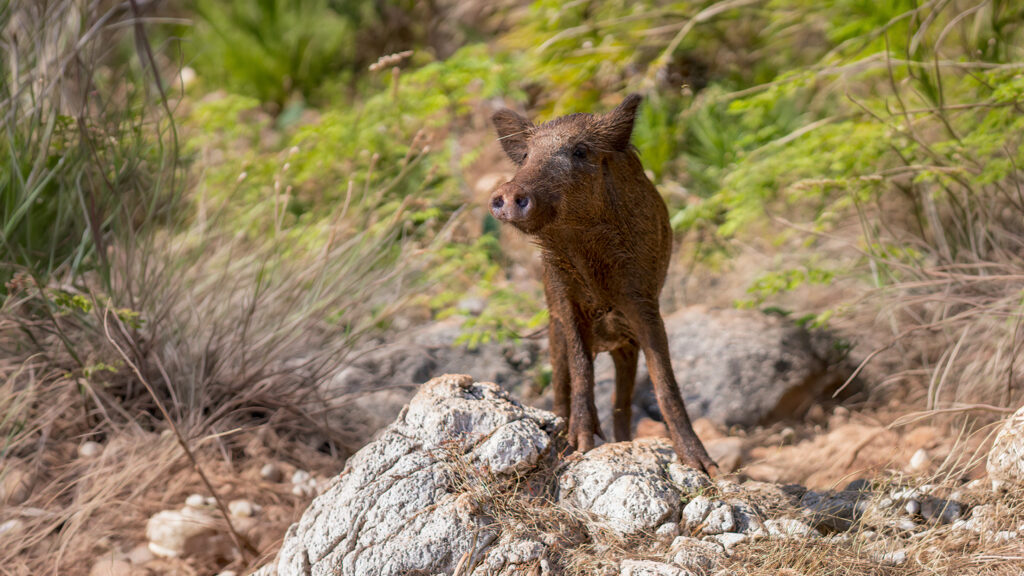
Wild boar
The wild boar is a powerful and hardy animal that impresses with its strength, intelligence and ability to adapt in nature.
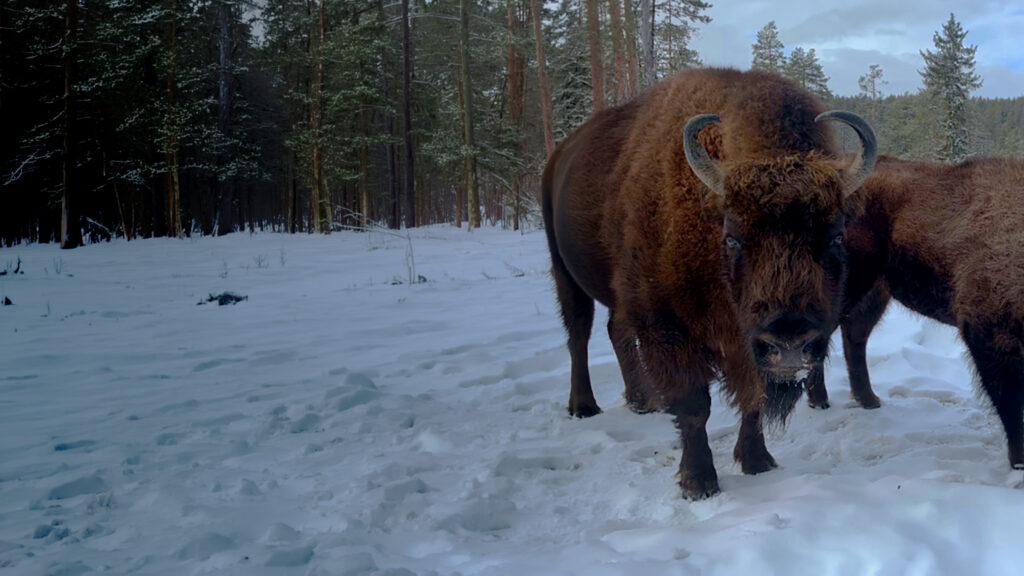
European Bison
The European bison is Europe’s largest land mammal and fascinates with its size, strength, and impressive history.
Beaver
The beaver is nature’s skilled master builder and impresses with its hard work, intelligence and unique dam constructions.
Pig
The pig is a social and curious animal, appreciated for its intelligence, personality and playfulness.